Africa-Asia Rafting Councils Sign Memorandum of Understanding (MoU)
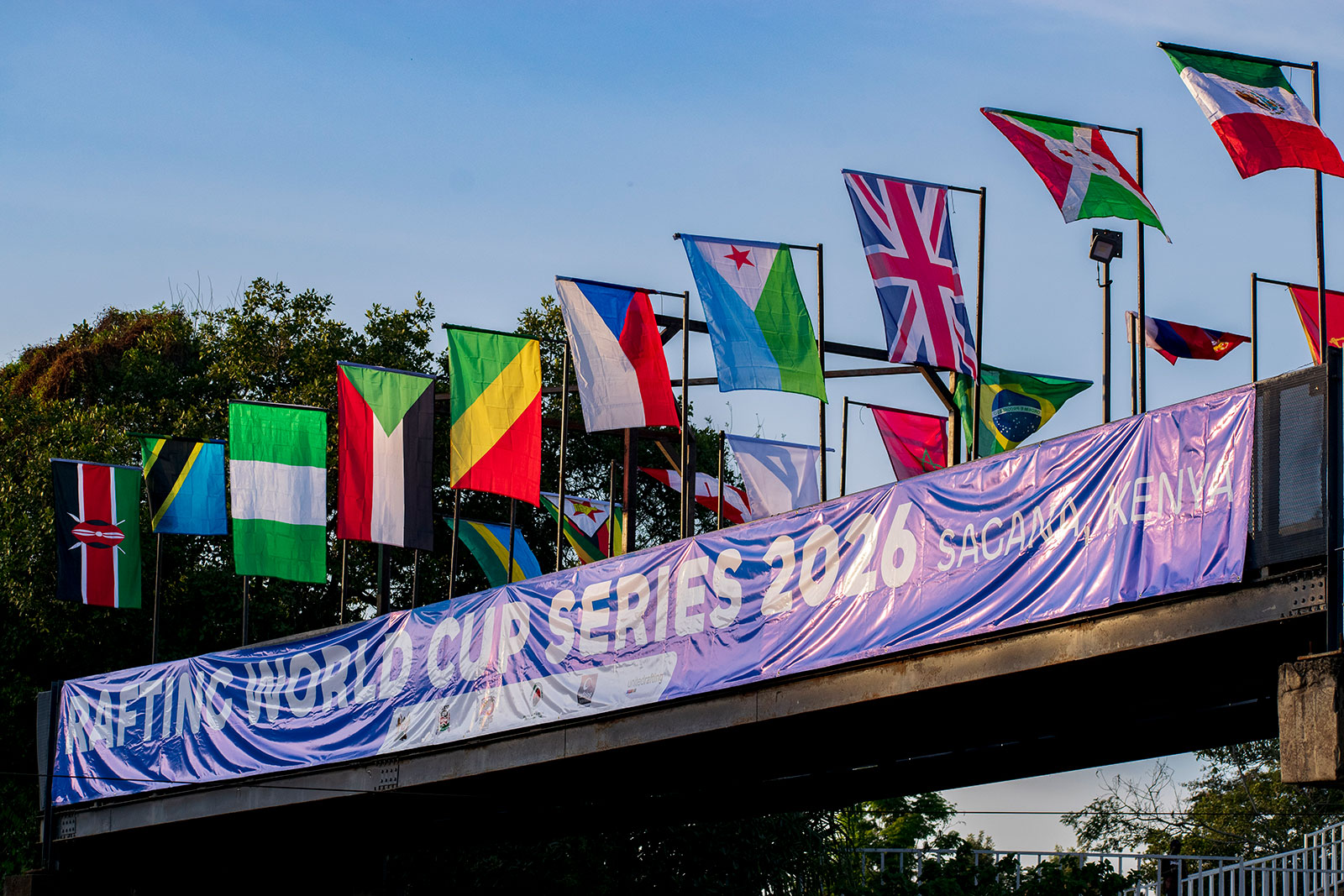
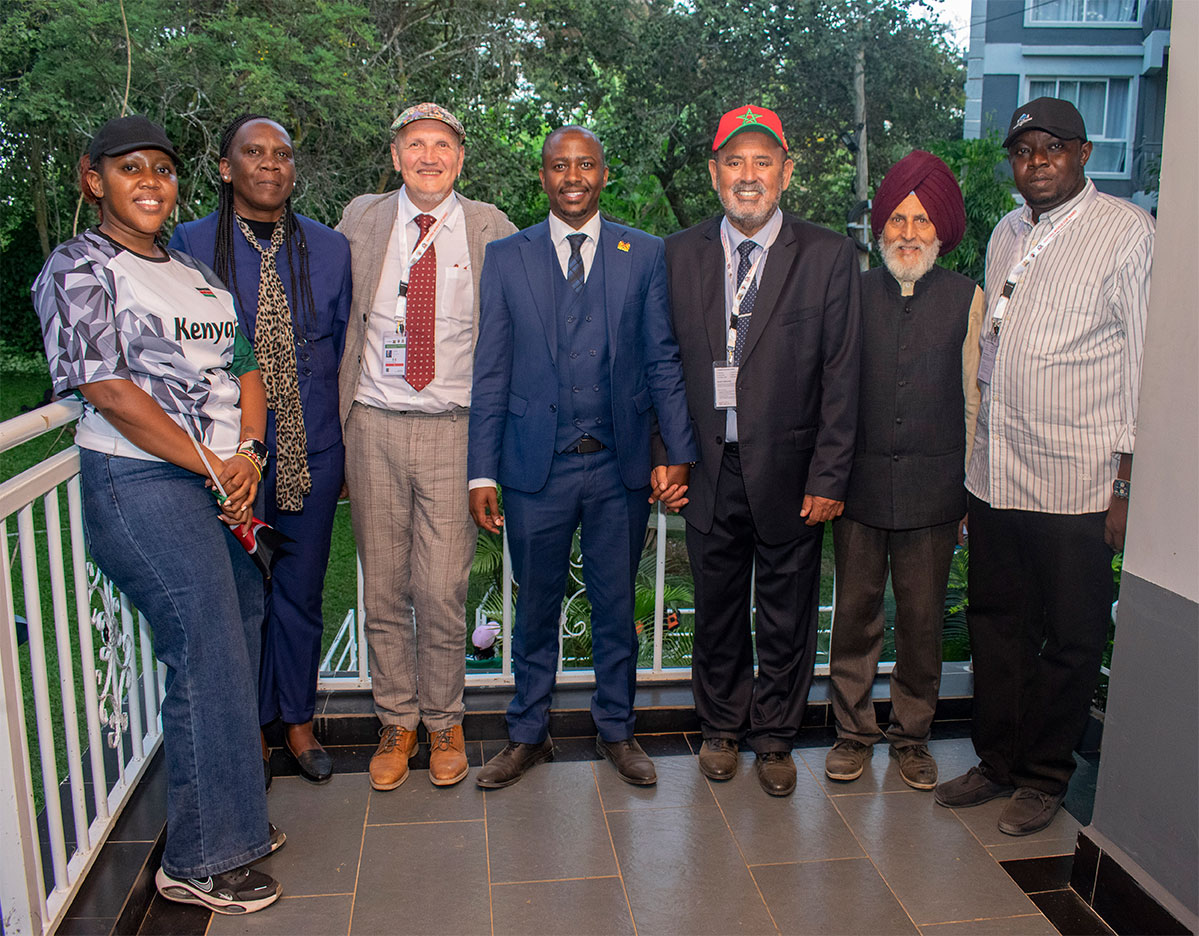
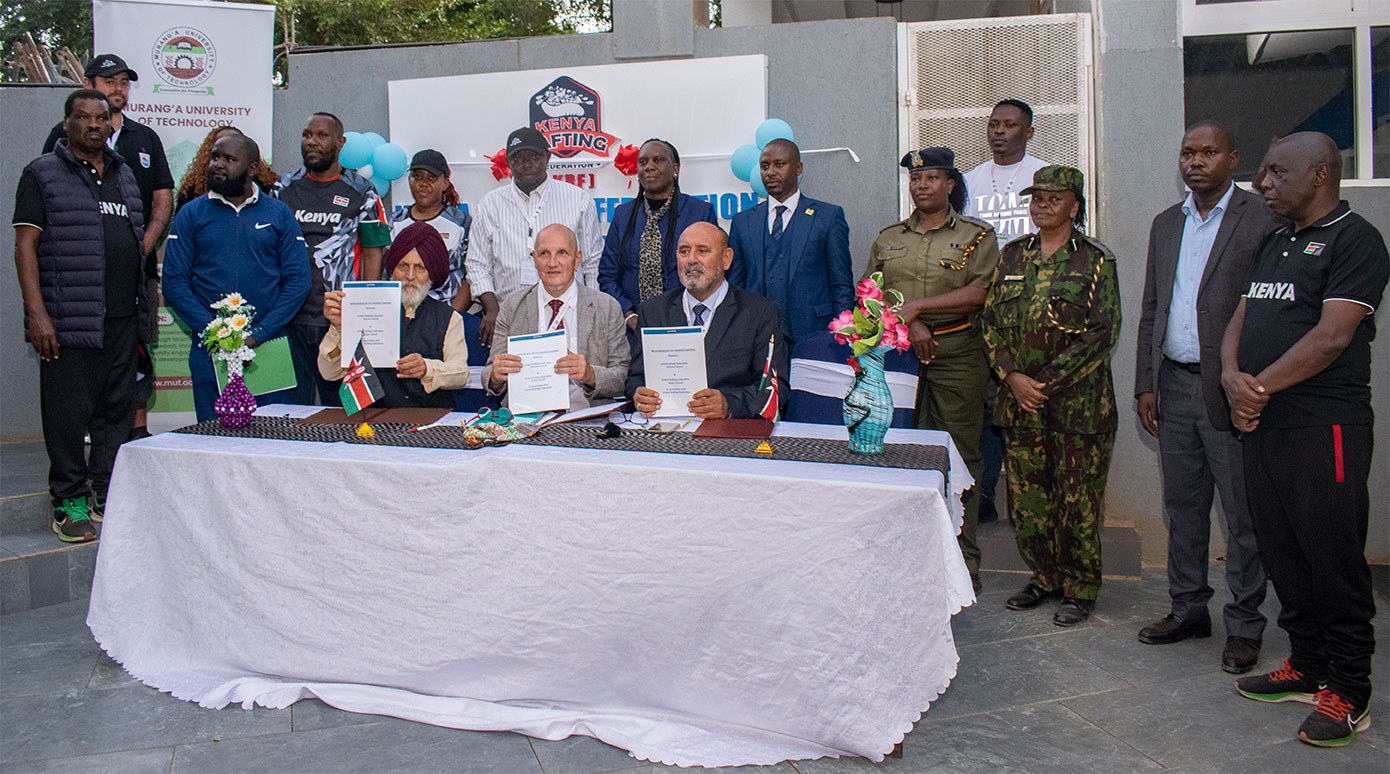
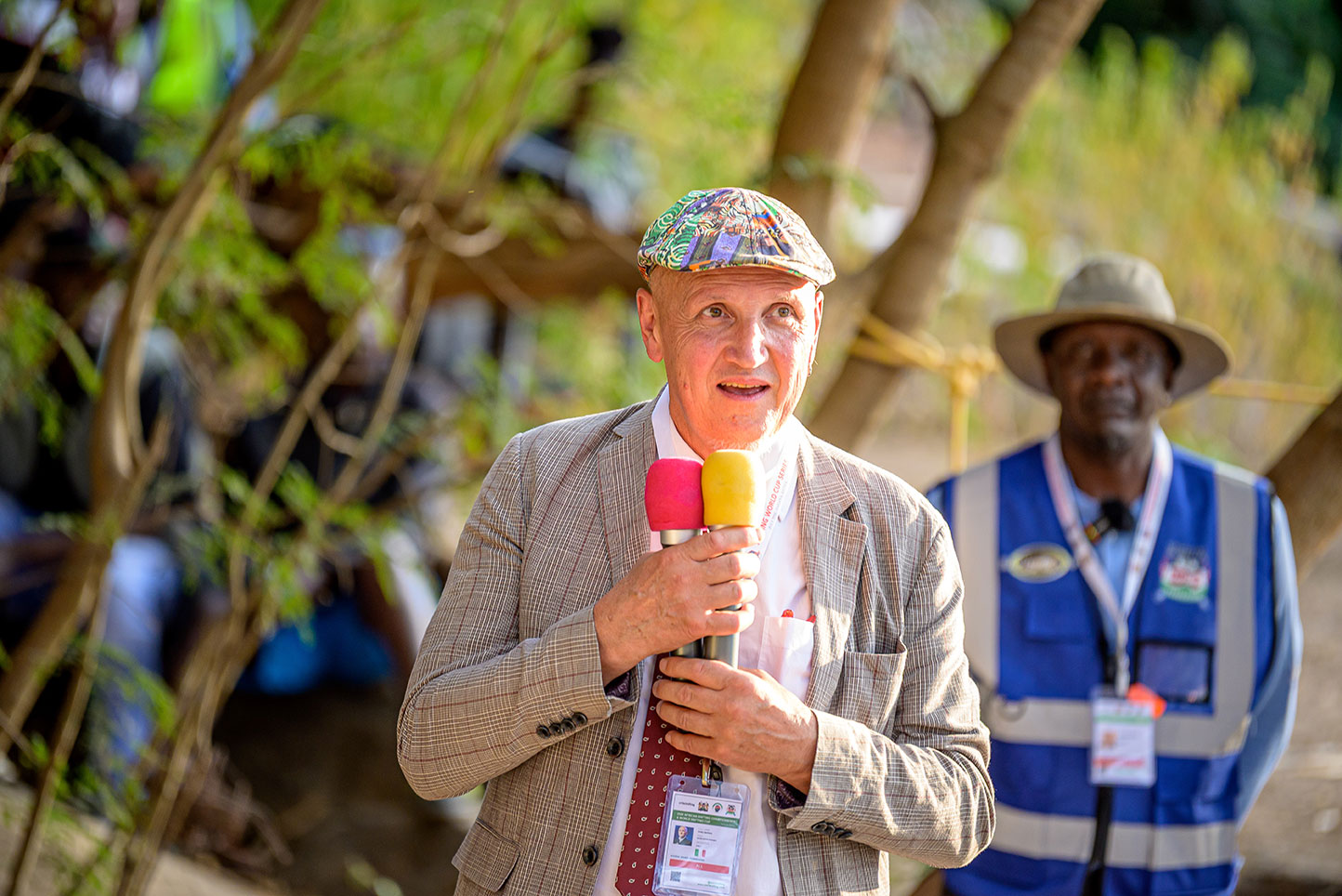
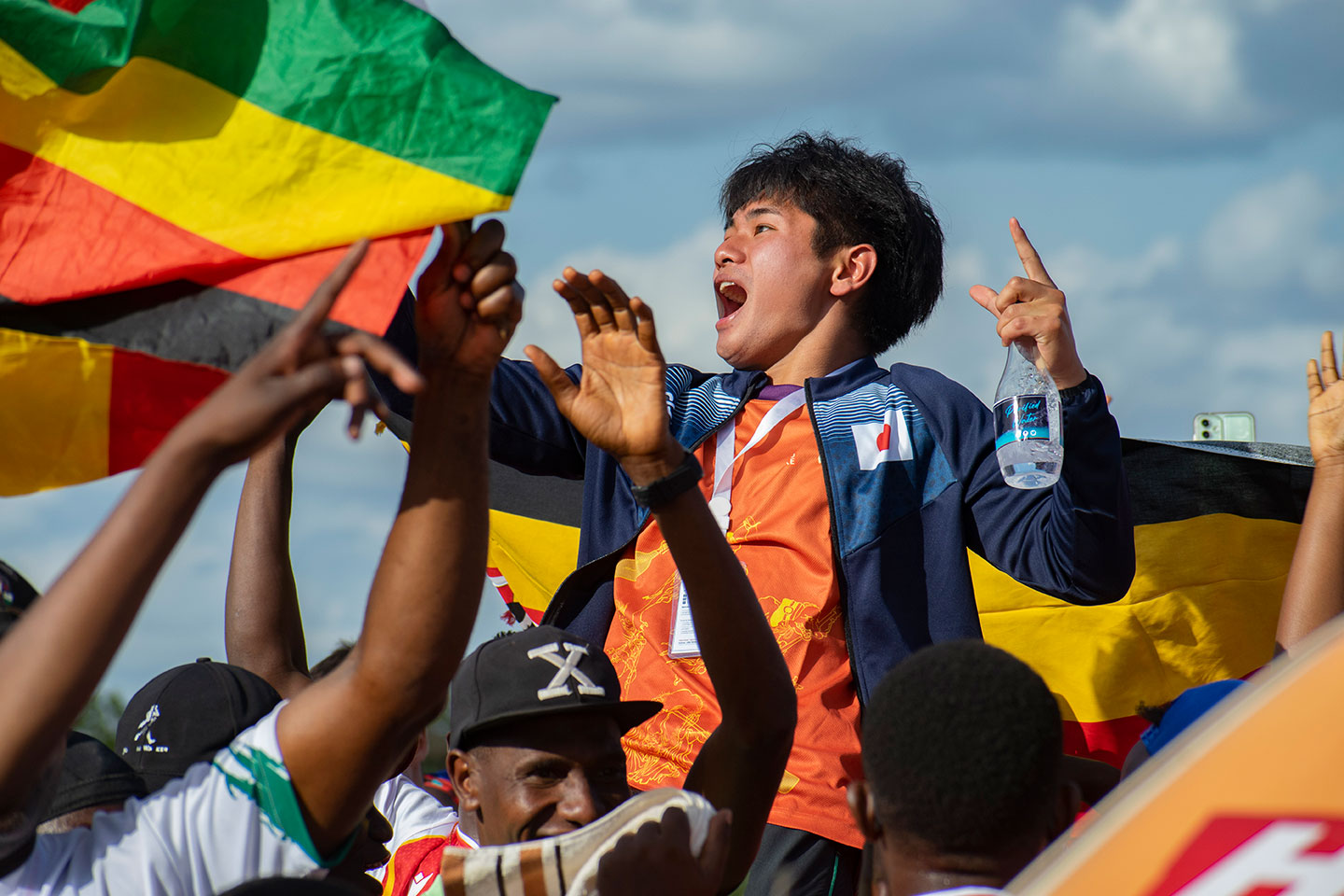
The African and Asian Rafting Councils signed a Memorandum of Understanding (MoU) during the 2026 Rafting World Cup Series held at Rapids Camp Sagana from 6th to 12th July 2026. The landmark agreement aims to foster the growth and development of rafting through collaboration in sports, cultural and language exchange, environmental conservation, emergency response training, and youth empowerment across the two continents. The signing marks the first time in history that the rafting governing bodies of two continents have entered into such a partnership. “This is to integrate the two continents for the development of the sport of rafting. Our goal is to establish what we call the Afro-Asian Championship. One year it will be hosted in Asia, and the next year in Africa,” said Shaukat Pal Singh, President of the Asia Council and the India Rafting Federation. Echoing the same sentiments, El Mamoun Belabbas, President of the African Rafting Council, said: “We want to grow this sporting discipline by working together and creating exchange programmes between our continents. This partnership will significantly contribute to the growth of rafting in Africa.” The new pact is expected to create more international competitions, with the inaugural Afro-Asian Championship already in the pipeline, providing athletes with more competitive opportunities and greater international exposure. “In the next one or two years, the first Afro-Asian Championship is expected to be held in the Middle East, in the UAE. Our ultimate goal is to establish a championship that alternates between Asia and Africa each year,” Shaukat added. Welcoming the agreement, June Muthoni, President of the Kenya Rafting Federation, described it as a major milestone for the sport. “This is a significant step for the development of rafting in Africa. It will create more opportunities for young athletes and encourage more people to embrace the sport.” Beyond rafting, the MoU seeks to empower young people and women, promote cultural exchange, strengthen conservation efforts, and facilitate emergency response training by producing more swift-water rescue technicians. The partnership will also leverage the vast natural resources and diverse cultural and religious heritage of both continents to advance shared development goals.